Blog – A note about quality
Tea is far more diverse than many people realise.
As discussed in the previous post, tea became deeply woven into everyday life in the West, though much of the broader tradition of whole leaf tea was gradually replaced by convenience-focused teabag production.
Teabags typically contain lower-grade broken leaves, dust or fannings that most often produce a dull, flat, one-dimensional cup. When tea is finely crushed like this, most of the aroma, flavour, freshness and health benefits are greatly reduced. Further, there is waste and pollution due to microplastics shedding from the tea bags.
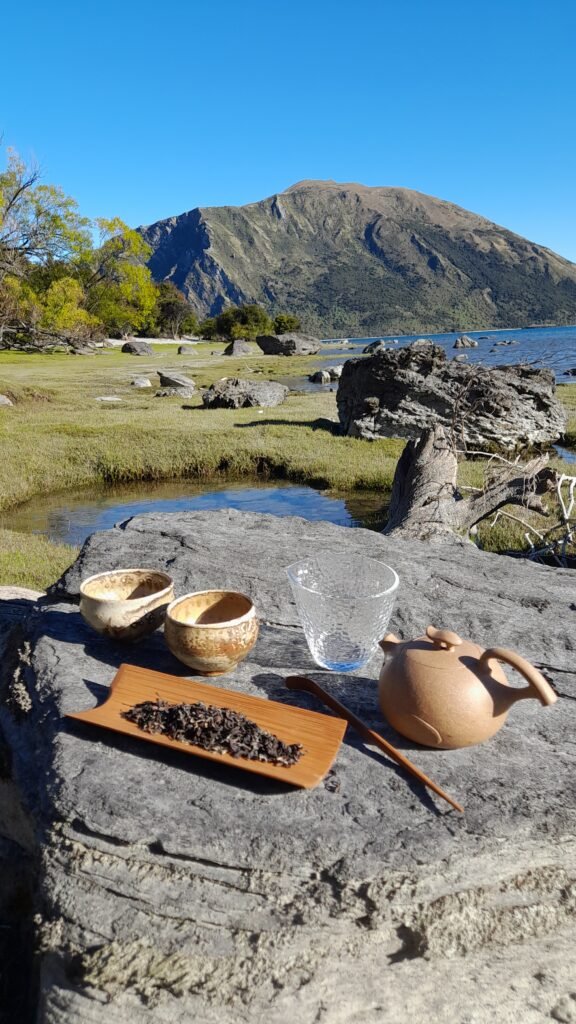
For a very long time – 5000 plus years – tea has been consumed across China and many tea cultures throughout Asia in its pure leaf form. Whole leaf tea retains more of the leaf’s essential oils, aroma, and character. As the leaves gradually unfurl during brewing, they release layers of flavour and texture that are difficult to achieve with finely broken tea and also contain higher levels of antioxidants and anti-inflammatory agents (polyphenols).
These days it is easier to acquire whole leaf tea however packaging and marketing do not always reflect the quality of the tea inside. Blended and flavoured teas are available in abundance, and while I have nothing against good quality versions of these teas and tisanes, some flavoured blends rely more heavily on added flavourings than on the quality of the underlying tea.
The leaves of the humble Camellia Sinensis (and a couple of other Camellias) offer extraordinary diversity. There is a huge range of taste and aroma experiences across white, green, oolong, black, yellow and dark tea styles. Exploring whole leaf tea is less about chasing perfection and more about discovering the remarkable depth, character, and enjoyment this ancient plant has to offer.
Once experienced, the range and vitality of whole leaf tea can completely transform your everyday cup.
“You can’t buy happiness, but you can buy tea and that’s kind of the same thing.” – Author unknown