Blog – What’s in a name, Part 2
What’s in a name, Part 2
One of the dominant sensory ways to engage with tea is through taste. Humans typically have 2,000 to 4,000 taste buds (sometimes up to 10,000) – which regenerate roughly every 10–14 days – and we can distuinguish five primary, basic tastes: sweet, sour, salty, bitter, and umami (savory). While there are only five basic tastes, the human brain can combine these with smell and tactile sensations to perceive a near-limitless variety of complex flavours.
One of the ways of enjoying tea, as with wine, is to make associations to flavours and aromas that exist in other foods, beverages and generally present in the plant and animal kingdom. These are called “tasting notes”. This is a way to enjoy tea and help us understand it. Everyone’s palate is different and we all have different associations, so your tasting notes might be different to the next person. This is fine, your tea experience is your own; especially your associations. Some people (myself included) prefer to just go with associations and allow the tea to trigger an image, feeling, memory or combination of all these. Tea can be hugely evocative and transporting, which is one of it’s principal gifts.
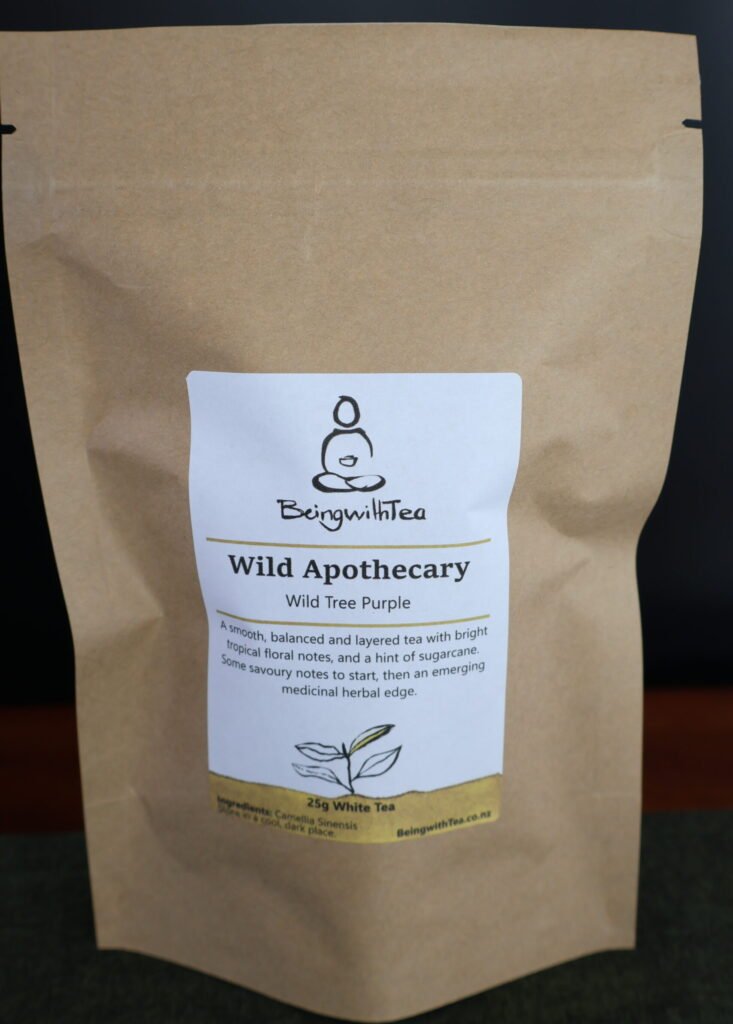
This is one of the reasons I like to give a unique name to the teas selected for our catalogue. Some are named directly after the style they represent – many people will be familiar with some famous teas like Dragon Well, Silver Needle or White Peony. While I want to encourage this familiarity there are many tea styles that are less well known and the Chinese (pinyin) name might not mean anything to a new budding tea connoisseur. In China there has been a history of naming certain teas, to hint at their personality and quality, and to give them sense of mystery or enticement. Because I experience tea as so transporting, it is a joy to spend time with the teas, conjuring up a name, I have adopted this tradition and hope it gives people a way to engage with the tea beyond their common name.