
Health Benefits of Tea
Health Benefits of Tea
By now it is well known and documented that drinking the liquor from the humble tea plant provides a wide variety of health benefits.
Drinking tea is associated with a wide range of health benefits, primarily driven by its high concentration of antioxidants such as polyphenols and flavonoids. Regular consumption of 2–3 cups daily is linked to significant reductions in the risk of chronic diseases and overall mortality.
Key Health Benefits:
- Cardiovascular Health: Tea consumption helps lower blood pressure, improve cholesterol levels (reducing LDL), and enhance blood vessel function (endothelial health). It is associated with a lower risk of stroke and heart disease.
- Metabolic Support & Weight Management: Compounds like catechins (especially EGCG) in green tea can boost metabolism and fat oxidation. Studies suggest it may reduce the risk of type 2 diabetes by improving insulin sensitivity and lowering blood sugar.
- Cognitive Function & Mental Health: The combination of caffeine and L-theanine improves focus, alertness, and mood without the “jitters” often caused by coffee. It may also offer neuroprotective benefits against age-related decline, such as Alzheimer’s and Parkinson’s disease.
- Cancer Prevention: While evidence is so far mixed, some studies indicate that tea’s antioxidants may help protect against certain cancers, including breast, prostate, and lung cancer, by reducing oxidative damage to cells.
- Bone & Oral Health: Regular tea drinking is linked to higher bone mineral density in older adults. It also contains fluoride and tannins that help fight oral bacteria, preventing cavities and tooth loss.
Considerations and risks:
- Temperature: Drinking tea hotter than 55–60°C is associated with an increased risk of esophageal cancer. Studies recommend to allow the tea to cool before drinking.
- Iron Absorption: Tannins in tea can inhibit the absorption of non-heme iron from plant-based foods, which may be a concern for those with iron deficiencies. In this case it is sometimes recommended not to drink tea directly with a meal.
There is a lot of information out there; to get you going, here are some links for further reading:
1. The role of antioxidant versus pro-oxidant effects of green tea polyphenols in cancer prevention
https://pubmed.ncbi.nlm.nih.gov/21538850/
2. Tea consumption and risk of cardiovascular outcomes and total mortality: a systematic review and meta-analysis of prospective observational studies
https://pubmed.ncbi.nlm.nih.gov/25354990/
3. Health benefits of different types of tea: a review
https://link.springer.com/article/10.1007/s44403-026-00056-1
4. Tea consumption and mortality of all cancers, CVD and all causes: a meta-analysis of eighteen prospective cohort studies
https://pubmed.ncbi.nlm.nih.gov/26202661/
5. Tea Drinking: A Systematic Review of Randomized Controlled Trials Focusing on Human Cognition, Mental Wellbeing and Brain Function
https://scholars.direct/Articles/human-nutrition/jhn-4-017.php?jid=human-nutrition
6. Biological Activities of Tea: Risks and Critical Overview
https://www.mdpi.com/2306-5710/11/5/148
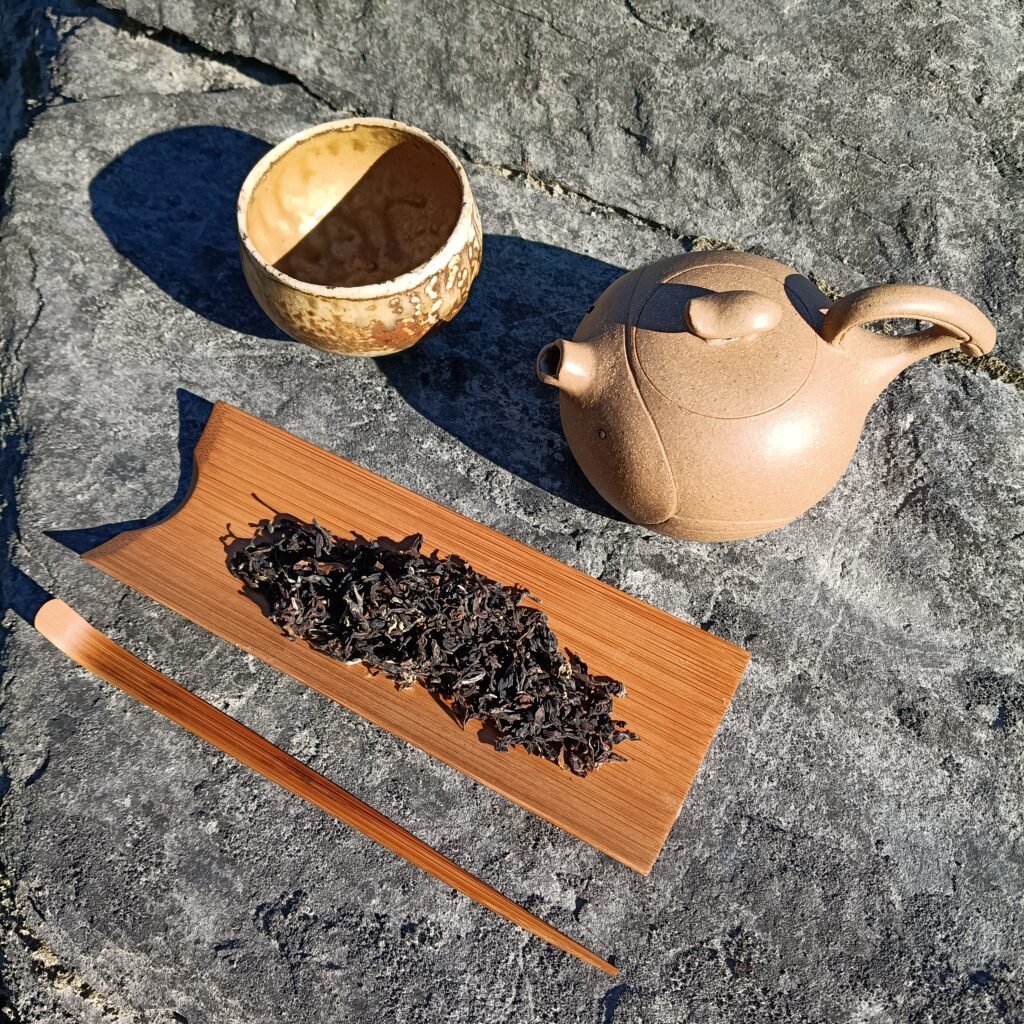

“Tea tempers the spirit, harmonizes the mind, dispels lassitude and relieves fatigue, awakens the thought and prevents drowsiness” – Lu Yu, The Classic Art of Tea